
Vine Decline Update
Protecting Your Kiwifruit Orchard: Taking Action Against Vine Decline
Practical Guidance for Growers.
Words from our Founder, Nathan Balasingham:
I’m reaching out because kiwifruit vine decline syndrome (VDS) is becoming a bigger problem in orchards across New Zealand. I want to share some easy-to-follow advice to help you keep your vines healthy and your orchard productive.
Scientists are still studying what causes VDS, including possible pathogens. But right now, it looks like the health of the vines themselves plays a big part. That means there are things you can do now to help reduce the impact of VDS.
Here are some important steps to consider:
Only apply fertilisers when soil tests show a deficiency. Don’t aim for “high fertility” without evidence.
Test your leaves before using sprays or foliar feeds and only use them if a deficiency is found.
Be careful with copper: stop using it after bud burst and try to avoid building up copper in the soil where it can become toxic to your vines.
Stop foliar nitrogen sprays unless tests show a clear need and wait to add potassium until soil tests say it’s needed.
Consider the Agrizest & Primazest programme to help your vines cope with stress, improve yield, and enhance fruit quality.
Apply foliar magnesium only when soil potassium is high.
Remember nutrients interact - too much of one nutrient can cause deficiencies in others (e.g. high nitrogen can limit uptake of boron and potassium). You can have too much of a good thing.
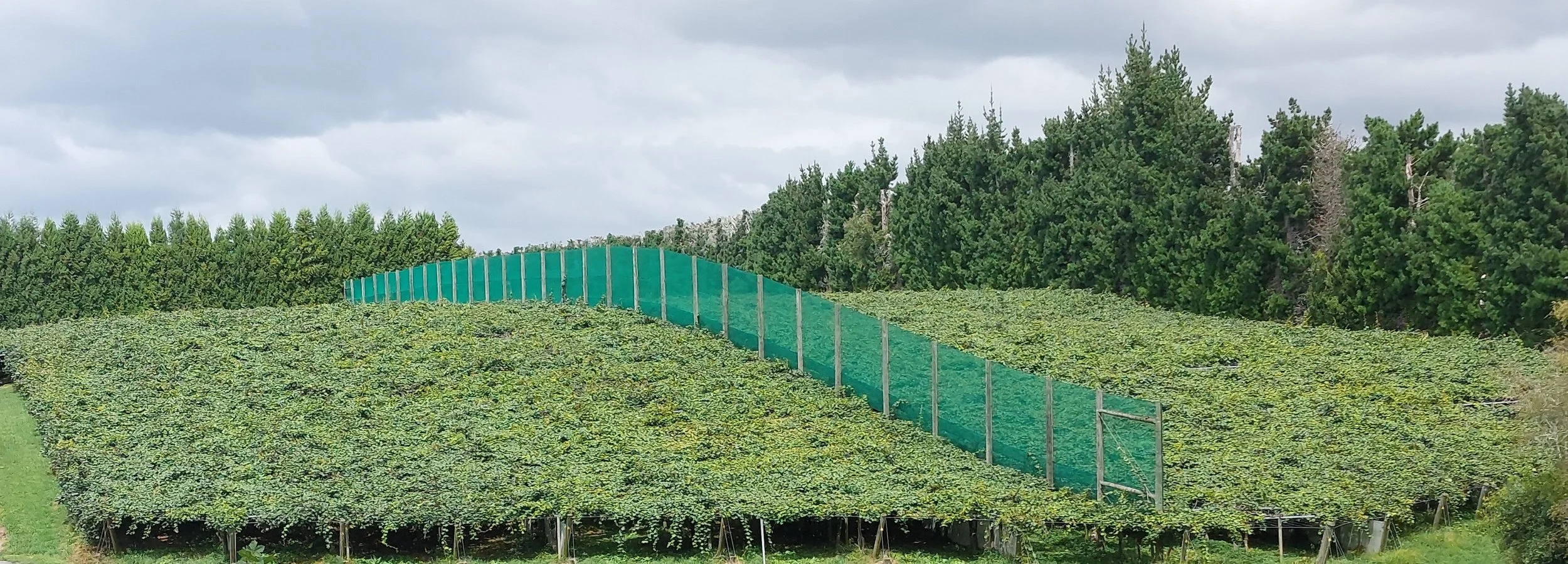
Parts of the canopy are prematurely yellow, indicating poor leaf health. This orchard may experience early leaf drop and these areas should be checked carefully for signs of stress. This orchardist plans to use Primazest and Agrizest to reduce stress and maximise returns.